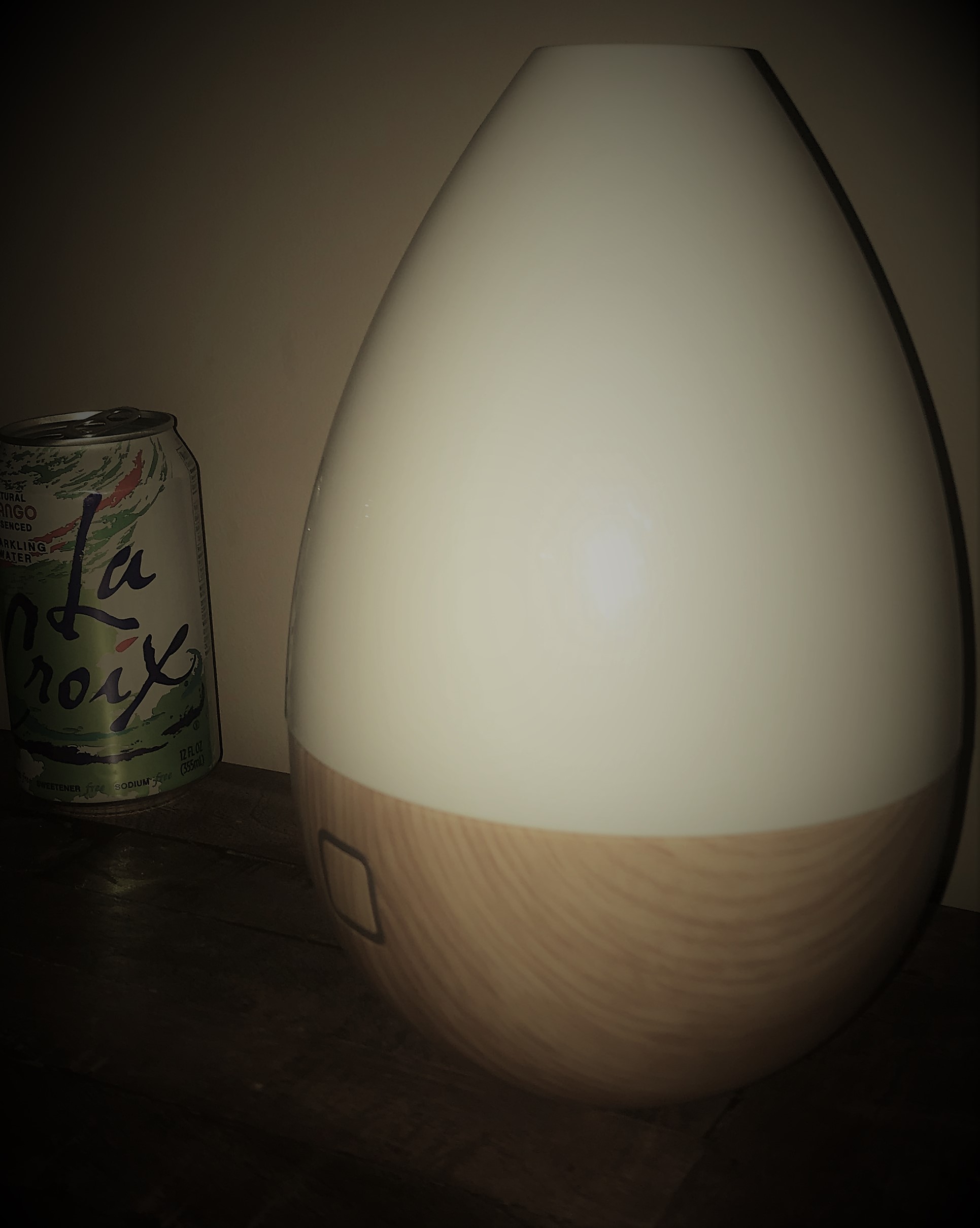
I once had a mischievous co-worker. She was the type who, when discovering a pet peeve of mine, would pounce like a mountain lion leaping from its perch.
One day I walked into my office after a multi-day trip and was attacked by the overwhelming smell of peaches, pine trees, and cinnamon surprise. These smells did not just say, “Hey man, welcome back.” They annihilated my sinuses with pitchforks and torches coated in oily rage. It took seconds for me to conclude what was behind this ambush. Debbie. Stinkin’ Debbie. I had mistakenly dropped into a conversation a week earlier that the forced scents of air fresheners just kill me. It came up when I commented that there are few things in life worst than being stuck in a cab for several miles while surrounded by a cloud of Black Ice or Pine Essence.
This explained the cloud that bound and gagged me when I returned to my office. Stinkin’ Debbie. I quickly removed air fresheners from every outlet in my office. I reluctantly returned them to her, recognizing that the prank cost her over $20. But, I secured an oath from her that those “air fresheners” would never see the threshold of my office again.
Sometimes I wonder if we can be “air fresheners” in people’s lives. We think we are helping. We feel like we are good to have around… and feel like we are pleasant to be around. If an air freshener had a conscience, I suspect that’s exactly what it would think. How do we know, though, whether we are helping or hurting?
We Understand the Situation
“Like one who takes away a garment in cold weather, and like vinegar on soda, is one who sings songs to a heavy heart.” Proverbs 25:20. By understanding what those around us are feeling and thinking, we are able to improve our chances of having an influence on them. In order to understand our surroundings, we must intuitively observe and authentically listen to the environment, including those people within it.
We Enhance the Environment Without Dominating It
Tim Keller notes that salt can just as easily be delicious as it can be repulsive. “When I have eaten a piece of corn on the cob… what do I say? ‘That was great salt.’ No, I say, ‘That was great corn on the cob.’ Why? Because the job of the salt is not to make you think how great the salt is, but how great the thing is with which it’s involved.”[1]
Salt makes things better when it plays a supporting role. It kills things when it takes center stage. Likewise, we most effectively improve our environments by enhancing what else is present instead of emphasizing our presence there.
We Know When to Remove Ourselves
We often know when we are not needed or wanted anymore. That feeling is rarely pleasing to us, but resisting this indisputable conclusion can compound pain that stretches out the healing process. Those evil air fresheners would have been happy to persist in poisoning my office environment as long as I would have allowed them to do so. We would not have done each other much good, though. Only by pulling them from the environment was I able to begin the process of clearing the air. We sometimes need to reflect on not only how we interact in an environment, but also when we should not interact in an environment.
Bene-action: Identify the three primary environments in our lives and reflect for 2 minutes per day what our roles in those environments are. Do we overwhelm and cause headaches or do we enhance the good in what is already present?
[1] Van Morris; Mount Washington, Kentucky; source: Timothy Keller, The Journal of Biblical Counseling (Volume 19, Winter 2001).
 Common Sensitivity